

Exploring cultural perceptions of gambling across different societies
The Historical Context of Gambling
Gambling has a long and varied history across cultures, reflecting society’s values and norms. In many ancient civilizations, such as the Greeks and Romans, gambling was seen as a form of entertainment and was often incorporated into religious ceremonies. This historical context indicates that gambling was not merely an activity of chance but also a social event that brought communities together. Today, many people explore casino sites to engage with this historically rich pastime.
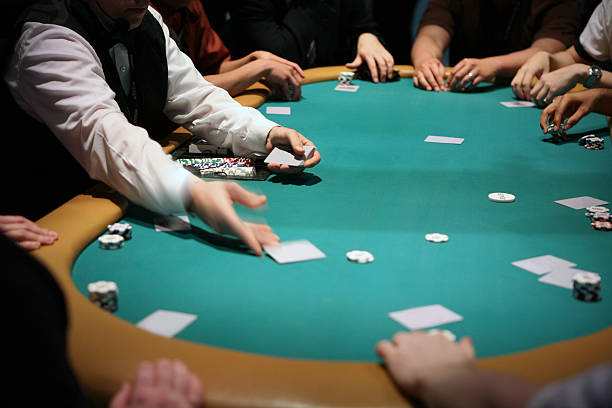
As societies evolved, so did the perceptions of gambling. In some cultures, it became associated with moral decadence and was banned or restricted, while in others, it remained a social staple. Understanding these historical perspectives can help us appreciate how deeply ingrained these perceptions are in contemporary culture.
Cultural Attitudes Toward Gambling
The cultural attitudes toward gambling vary significantly around the world. In some Western societies, such as the United States, gambling is often viewed through a lens of risk and reward, with a focus on individual freedom. This perspective promotes a more liberal attitude toward gambling, where casinos and betting establishments flourish.
Conversely, many Asian cultures, such as in China, perceive gambling as a practice deeply intertwined with family and tradition. For example, during the Lunar New Year, playing games of chance is common and is considered a way to bring good fortune. This highlights how cultural beliefs can shape the acceptance and participation in gambling activities.
The Psychological Factors at Play
The psychology of gambling is a fascinating area that intersects with cultural perceptions. Many individuals engage in gambling for various psychological reasons, including the thrill of risk-taking, the allure of potential rewards, and even socialization. These motivations can be heavily influenced by societal norms and expectations.
Furthermore, cognitive biases, such as the illusion of control, often contribute to the gambler’s mindset. In cultures where gambling is normalized or celebrated, these psychological factors can become more pronounced, leading to a complex relationship between individuals and their gambling behaviors.
The Impact of Regulation and Legislation
Regulatory frameworks surrounding gambling vary widely from one society to another, influencing public perception and participation. In jurisdictions where gambling is heavily regulated, there may be a societal perception that it is a legitimate form of entertainment. This is often accompanied by responsible gambling initiatives and public awareness campaigns aimed at minimizing harm.
In contrast, in regions where gambling is illegal or stigmatized, individuals may engage in it clandestinely, often leading to negative psychological outcomes. The disparity in regulation not only shapes the legality of gambling but also affects how it is perceived socially and culturally.
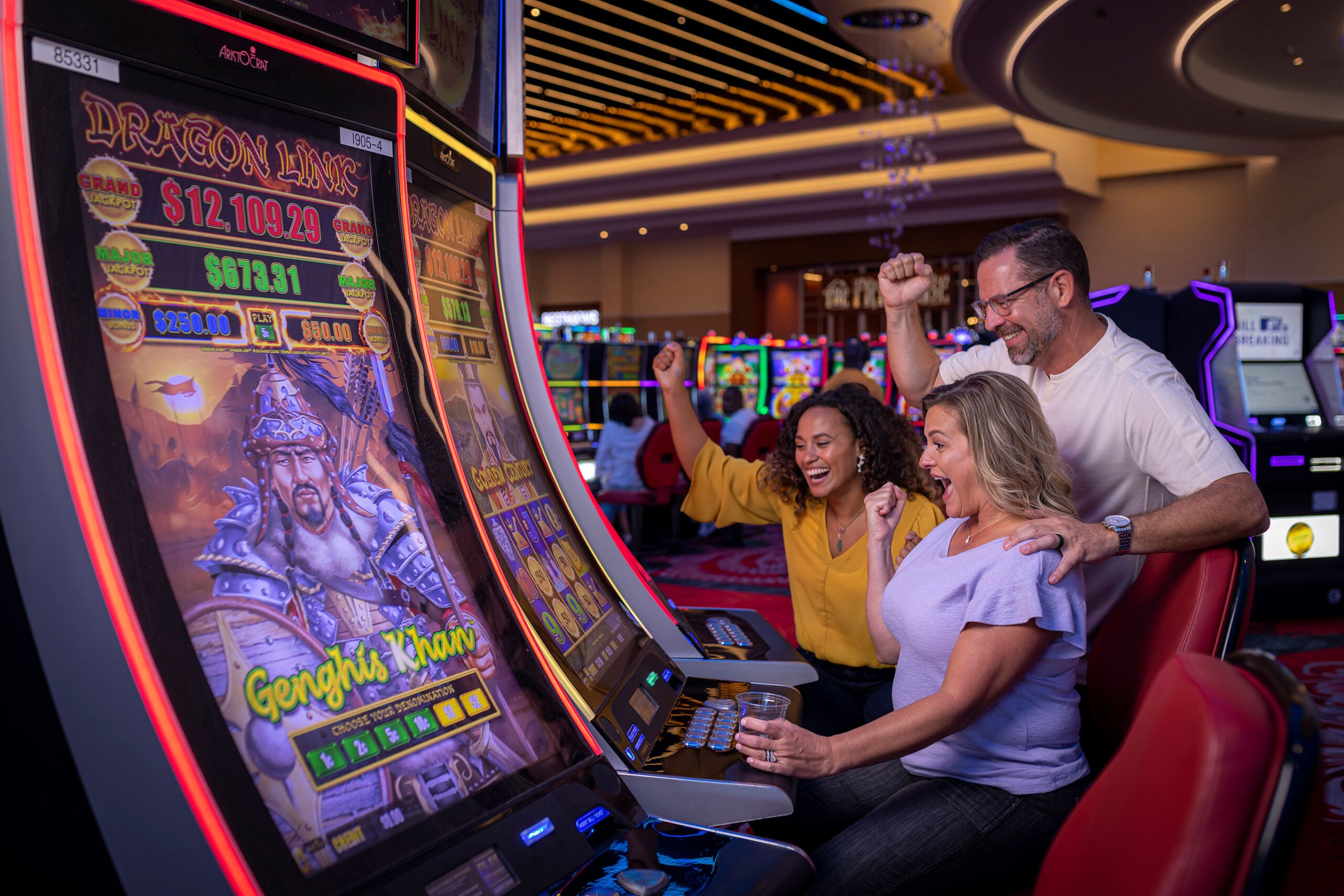
Insights from the Website
This website aims to provide comprehensive insights into the gambling industry, exploring trends, cultural perceptions, and psychological factors. With a focus on educating and engaging users, the site serves as a valuable resource for those looking to understand the complexities of gambling across different societies.
By examining cultural attitudes and historical contexts, users can gain a broader understanding of how gambling is viewed worldwide. The commitment to delivering secure and informative content reflects the site’s dedication to fostering an informed audience, contributing to the ongoing discourse surrounding gambling and its societal implications.